Material
How to Choose a Feature Wall That Matches Your Interior
Oct 28 2026
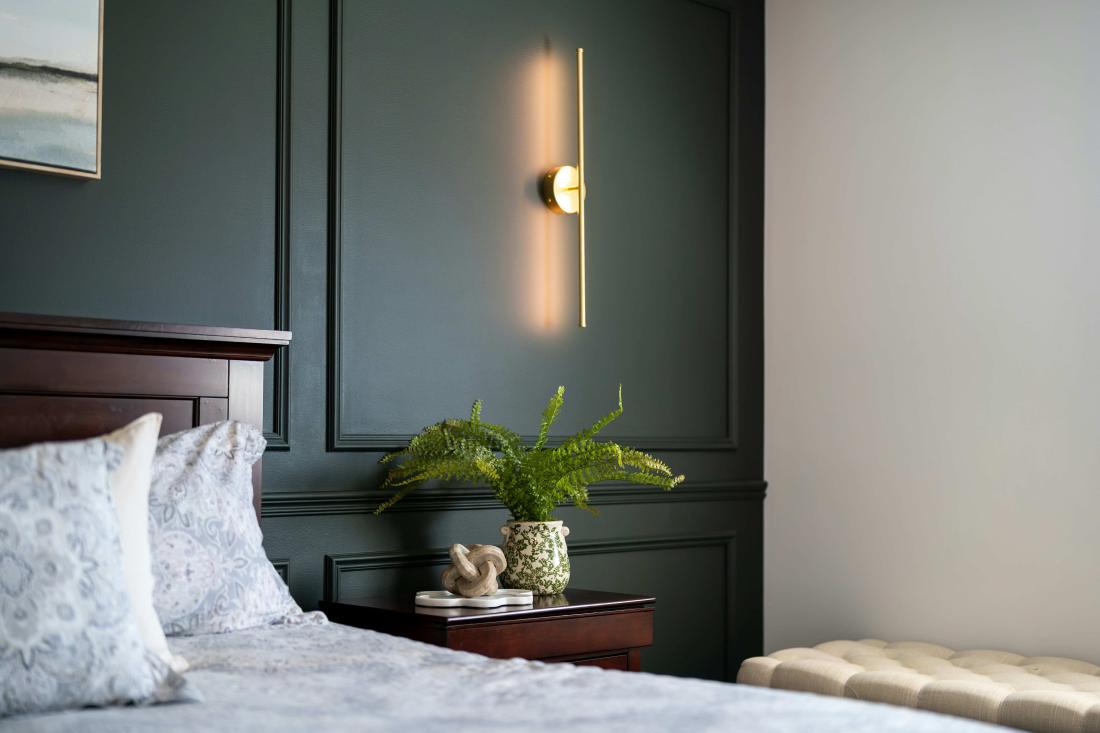
A feature wall can transform any room — but only if it suits your space. Here's how to choose the right one for your Malaysian home.
Walk into almost any well-designed home in Kuala Lumpur, Penang, or Johor Bahru today, and there's a good chance one wall immediately draws your eye. It might be clad in natural timber, finished in a deep forest green, or wrapped in a bold geometric wallpaper. That wall has a name — the feature wall — and when it's done right, it anchors the entire room. When it's done wrong, it just looks like a wall that couldn't make up its mind.
The truth is, choosing a feature wall isn't as simple as picking a colour you like. It involves understanding your space, your existing furniture, the light in your home, and — especially in Malaysia's warm and humid climate — the materials that actually work long-term. This guide walks you through everything you need to know before committing to a single square metre of paint or cladding.
What Is a Feature Wall and Why Does It Matter?
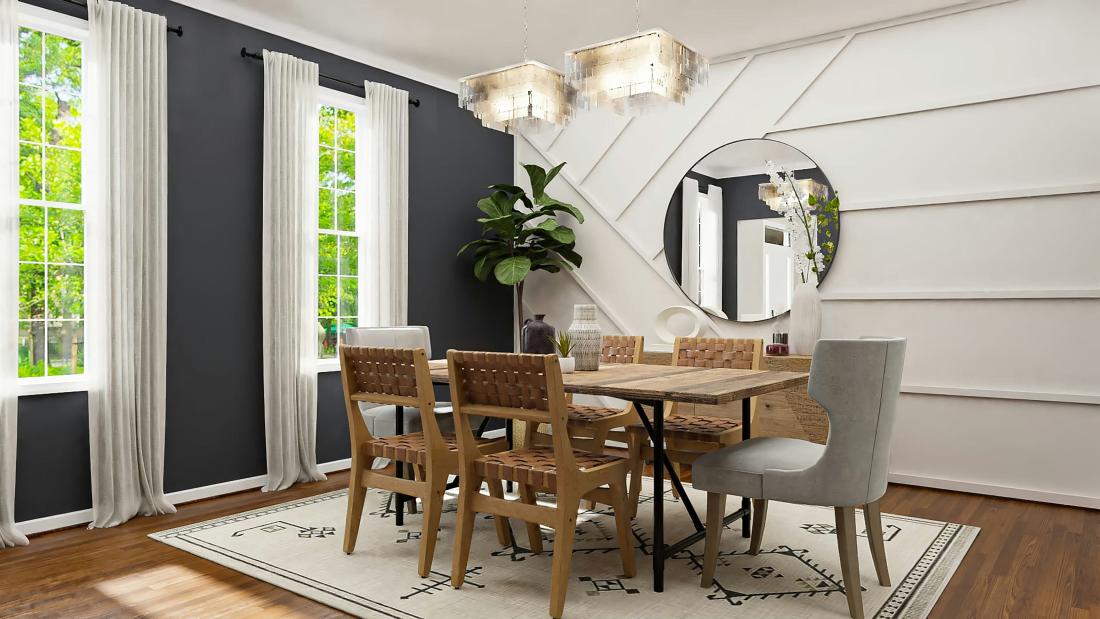
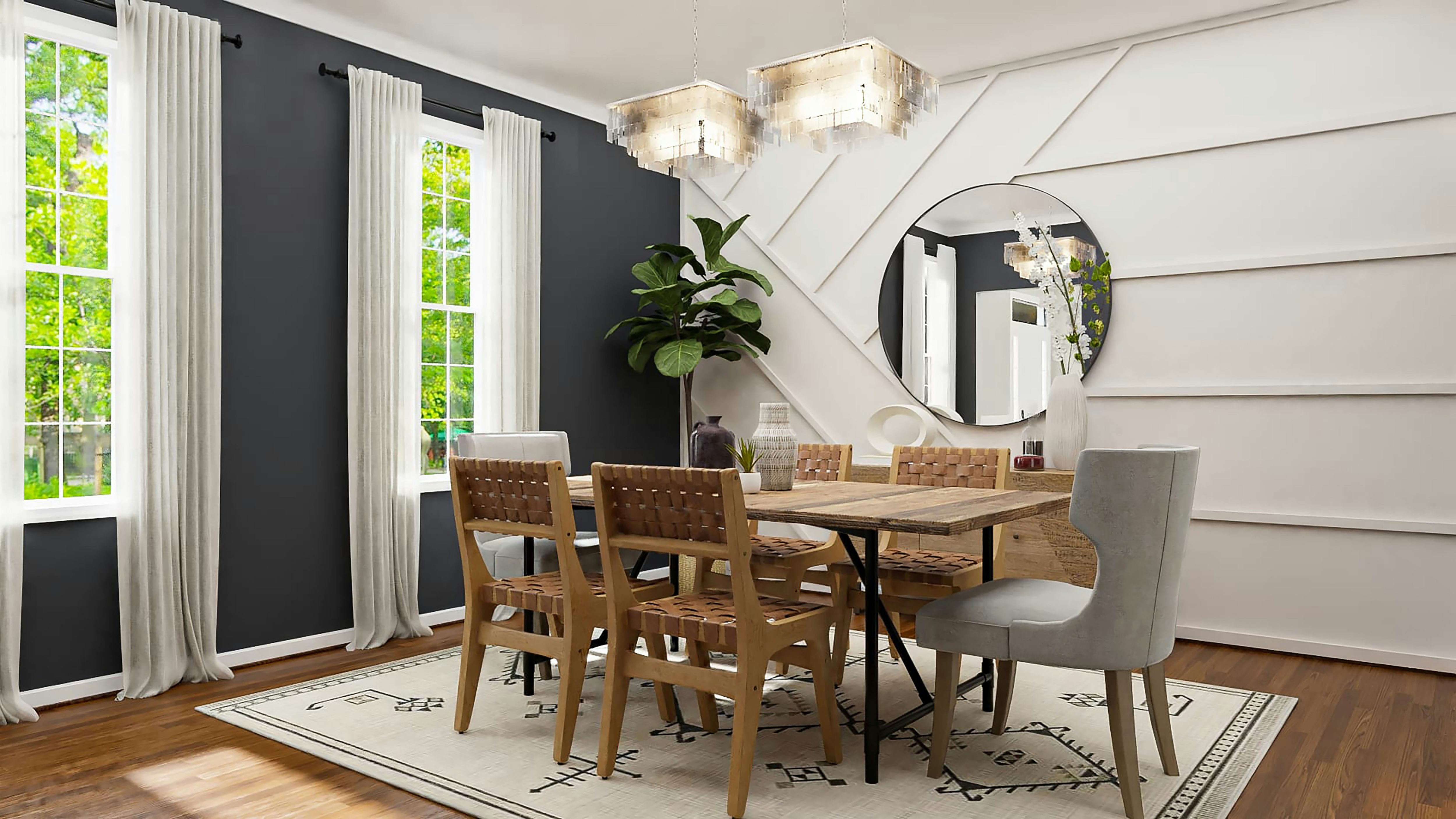
A feature wall, sometimes called an accent wall, is a single wall in a room that's treated differently from the rest — whether through colour, texture, material, or pattern. Its purpose is to create visual focus, define a zone, or introduce personality into a space without overwhelming the entire room.
In Malaysian homes, the living room feature wall behind the sofa is probably the most common application. But feature walls work just as well in bedrooms, dining areas, and even bathrooms. The key is intentionality: a feature wall should feel like a deliberate design decision, not an afterthought.
"The best feature wall is the one you'd notice if it wasn't there."
Best Feature Wall Ideas Malaysia Homeowners Love
Over the past decade, interior feature wall design in Malaysia has moved well beyond a coat of paint. Homeowners and designers are now exploring a much wider range of materials and finishes — many of which hold up well in Malaysia's tropical conditions.
Textured Finishes
Microcement, limewash, and 3D panel systems have become increasingly popular for Malaysian interiors. These finishes add depth and visual interest without adding a busy pattern to the room. Microcement in particular has been widely adopted in Klang Valley homes because it photographs beautifully, wipes clean easily, and suits both contemporary and industrial design aesthetics. Limewash paint gives a softer, more organic look — slightly aged and layered — that works especially well in homes that lean toward earthy, Japandi-influenced styling.
Bold Paint and Wallpaper
A single deep colour — charcoal, terracotta, navy, or sage — is still one of the most effective ways to create a feature wall. The cost is low, the execution is forgiving, and it's reversible. Wallpaper offers more pattern and texture variety, though in Malaysia it's worth being selective: vinyl-backed wallpapers tend to perform better in humid conditions than fabric-based ones, which can peel or bubble over time near windows and air conditioning units.
Natural Materials — Timber, Stone, and Brick
Natural materials bring warmth and authenticity that paint simply cannot replicate. Timber slat panels — either solid wood or engineered wood — are among the most requested feature wall ideas in Malaysia right now, particularly in living rooms and master bedrooms. Stone cladding (using real or reconstituted stone panels) adds drama and works well in larger spaces. Exposed brick is a classic choice for cafe-style and industrial interiors, though real brick can be costly to install; brick-effect tiles are a practical alternative that delivers a similar result at a fraction of the effort.
How to Match Your Interior Feature Wall Design to Your Space
Knowing the options is one thing. Knowing which option belongs in your room is another. Here are the three factors that should guide every decision.
Consider the Room's Function
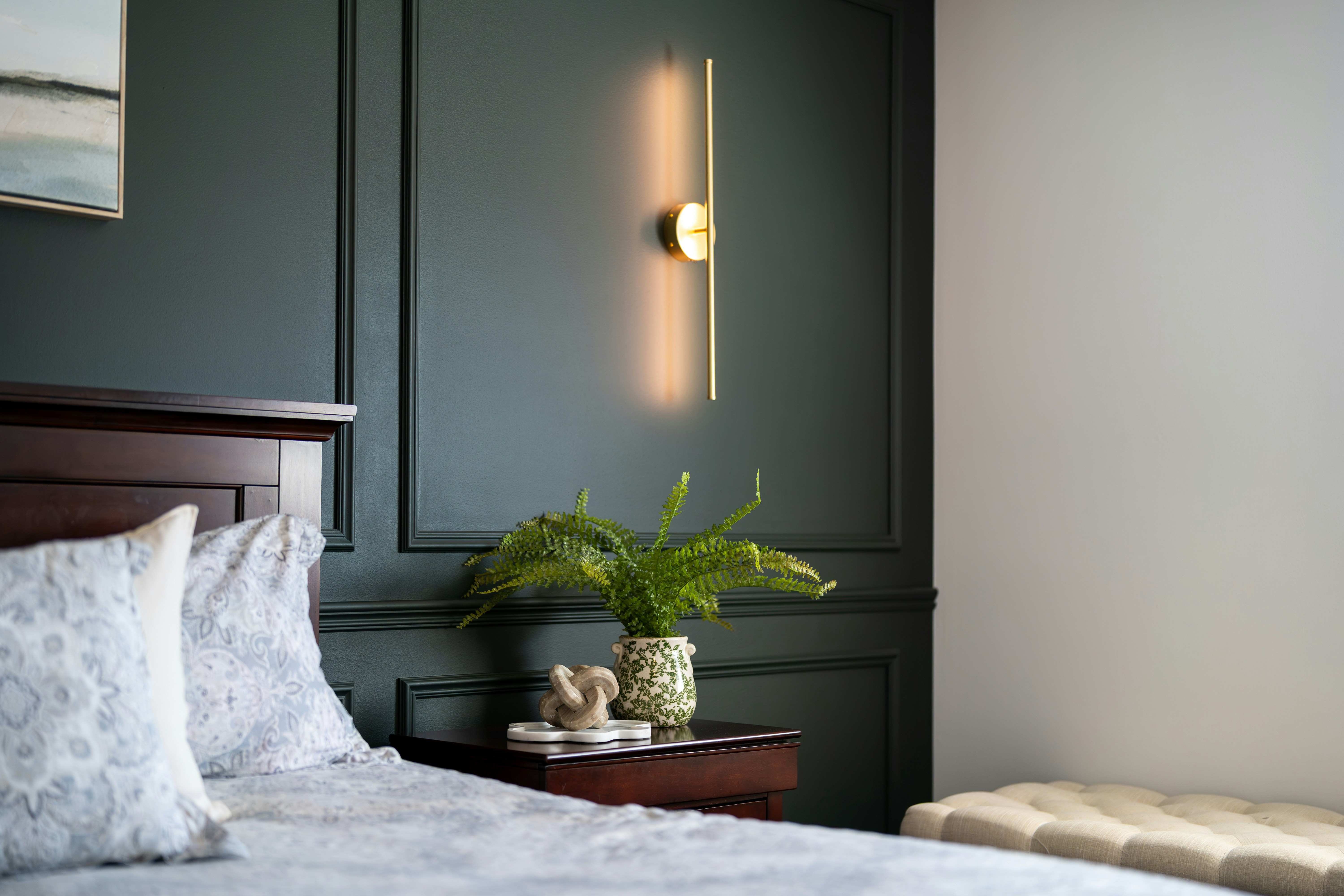
A feature wall in a bedroom should feel restful — which usually means softer tones, warmer textures, and materials that don't visually energise the space. A feature wall in a living or dining room can be bolder, since those spaces are meant for activity and conversation. In a home office, a feature wall behind a desk can serve a practical purpose: a dark matte paint reduces screen glare and provides a calm visual backdrop during video calls.
Work With Your Existing Colour Palette
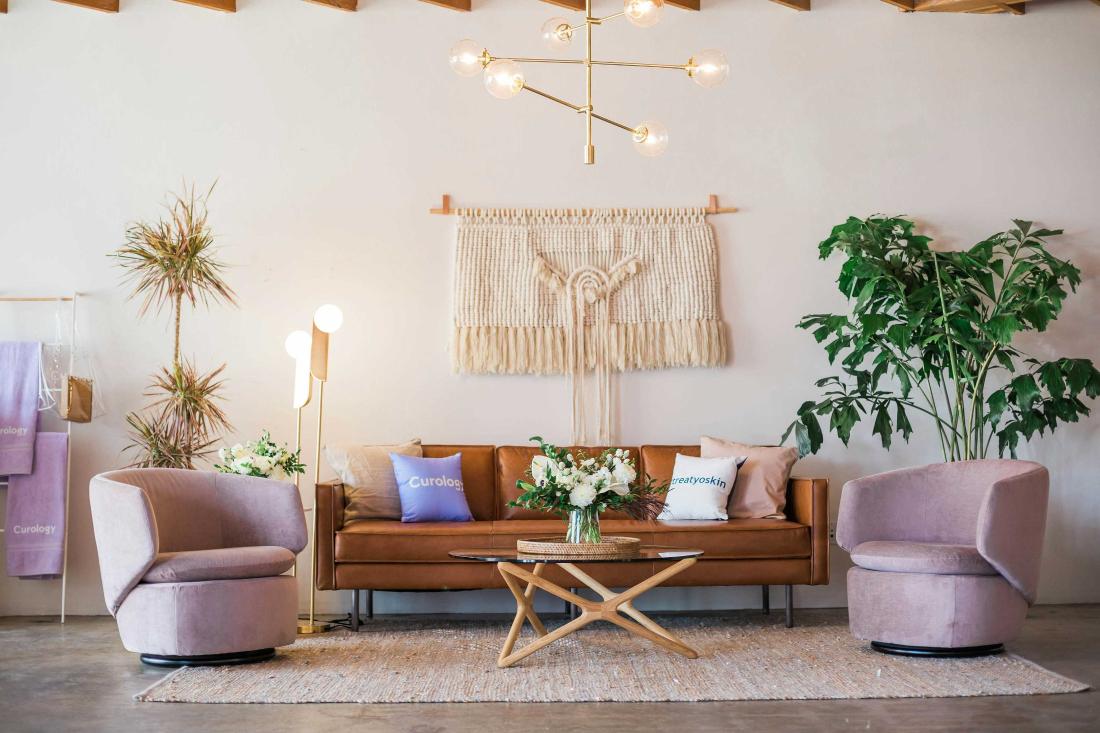
One of the most common mistakes in interior feature wall design is choosing a colour that has no relationship with the rest of the room. Your feature wall should either echo a colour already present in your furnishings — a sofa, a rug, a set of cushions — or complement it through contrast. If your living room is largely neutral, a warm terracotta or muted olive can introduce colour without competing. If your home already has strong colours, consider a textured neutral wall that adds interest through surface rather than hue.
Balance Scale and Proportion
The right feature wall for a compact apartment in Mont Kiara is not the same as the right one for a landed house in Shah Alam. In smaller rooms, busy patterns and dark colours can make the space feel enclosed. In larger rooms, a weak feature wall gets swallowed by the surrounding volume. As a general rule, bold choices — dark colours, large-format patterns, heavy cladding — work better when the room has the ceiling height and floor area to absorb them.
Common Mistakes to Avoid When Choosing a Feature Wall
The most frequent mistake is treating the feature wall as an independent decision. A wall doesn't exist in isolation — it lives in relationship with your floors, ceiling, furniture, and light. Before finalising any choice, look at material samples in the actual room, at different times of day, under your real lighting conditions. A colour that looks perfect in a showroom might look entirely different under your warm-toned LED lights at night.
Another mistake is doing too many feature walls at once. One is deliberate; two or more competing focal points create visual noise. Pick the wall that matters most in the room — usually the first one you see when you enter — and invest in that decision.
Finally, don't underestimate maintenance. In Malaysia, moisture, humidity, and direct air conditioning can affect almost every wall material over time. Ask your supplier or contractor specifically about performance in tropical climates before committing to anything that's difficult to repair or replace.


Frequently Asked Questions
Q: Which wall in the living room should be the feature wall?
A: In most Malaysian living rooms, the wall directly behind the main sofa is the natural choice for a feature wall. It's the wall guests face when seated and the one most visible from the entrance. Avoid making the TV wall the feature wall at the same time — having two focal points in one room creates competition rather than balance.
Q: Is wallpaper a good choice for feature walls in Malaysia's humid climate?
A: Wallpaper can work well, provided you choose the right type. Vinyl-coated or non-woven wallpapers are far more moisture-resistant than fabric-backed varieties. Avoid installing wallpaper on walls that are regularly hit by condensation from air conditioning units or that receive direct outdoor airflow. Proper wall priming before installation also makes a significant difference to longevity.
Q: Can a feature wall make a small room look bigger?
A: Yes — if it's done thoughtfully. Light colours and reflective or smooth textures tend to open up a space visually. Vertical elements, such as timber slat panels running floor-to-ceiling, draw the eye upward and make ceilings feel higher. Avoid horizontal patterns or very dark colours in tight spaces, as they can compress the proportions of the room rather than expand them.